Johannesburg Mold Inspection & Testing

Professional Mold Inspection & Testing in Johannesburg

We identify the source of mold and moisture problems — not just the visible mold.

A Mold Detection SA inspection is intended to determine what is happening at the property, what is driving it, and what should happen next.

Inspections from R4,750
2010
Professional mold investigation
2014
PMII-qualified inspector & remediator
Calibrated air sampling where appropriate
Referred by Gauteng medical practitioners
Request a Johannesburg Inspection

Request a Johannesburg Mold Inspection

Tell us briefly what is happening at the property and we'll help determine the appropriate inspection level.

No obligation to proceed. Your enquiry is reviewed and routed to the Johannesburg inspection service.

PMII Qualified · Mold Detection SA since 2014 · Professional Mold Investigation since 2010
Recognition

Do you have a mold problem?

Mold problems in Johannesburg homes and buildings rarely announce themselves clearly. They show up as one of these — often more than one at the same time.
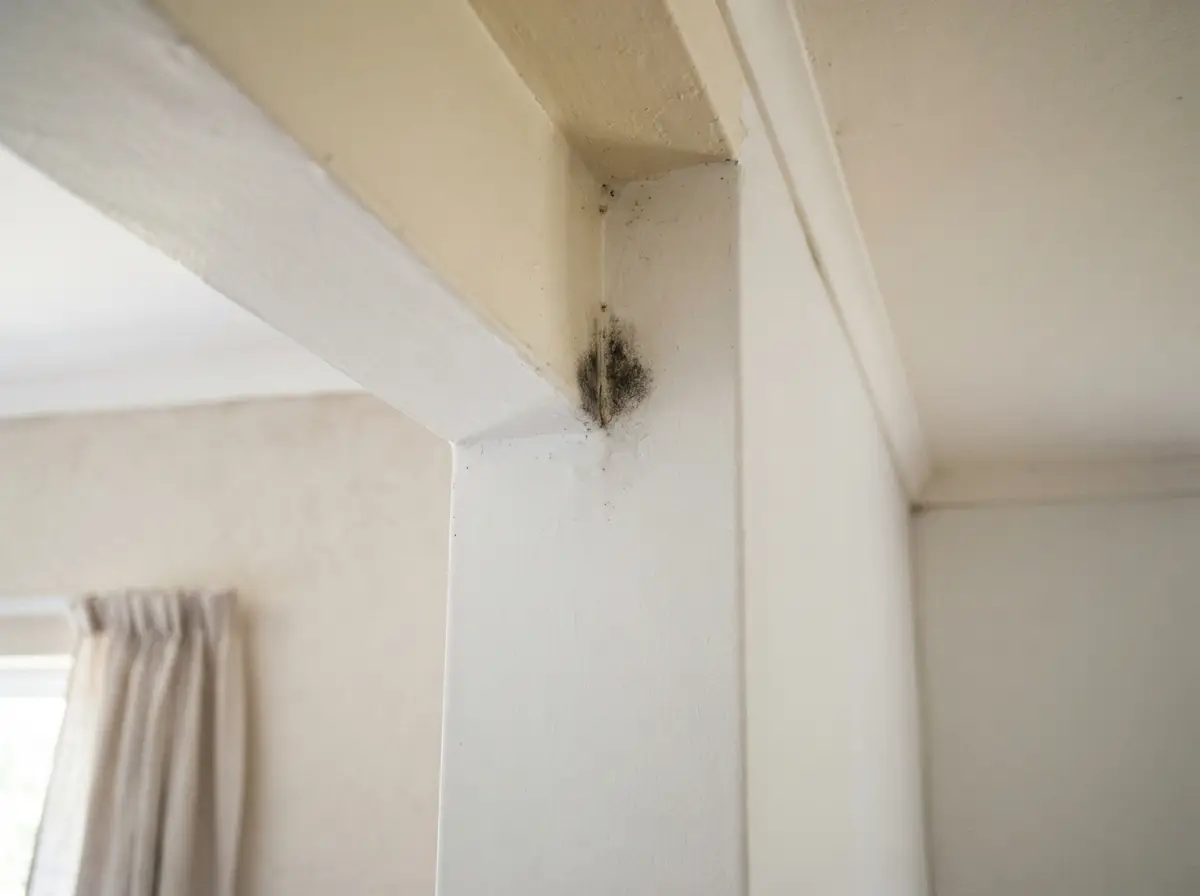
A faint dark mould patch in a wall-ceiling corner of a Johannesburg home

Visible mold

Black, green or white growth on walls, ceilings, silicone, grout, cupboards, behind furniture or in corners.
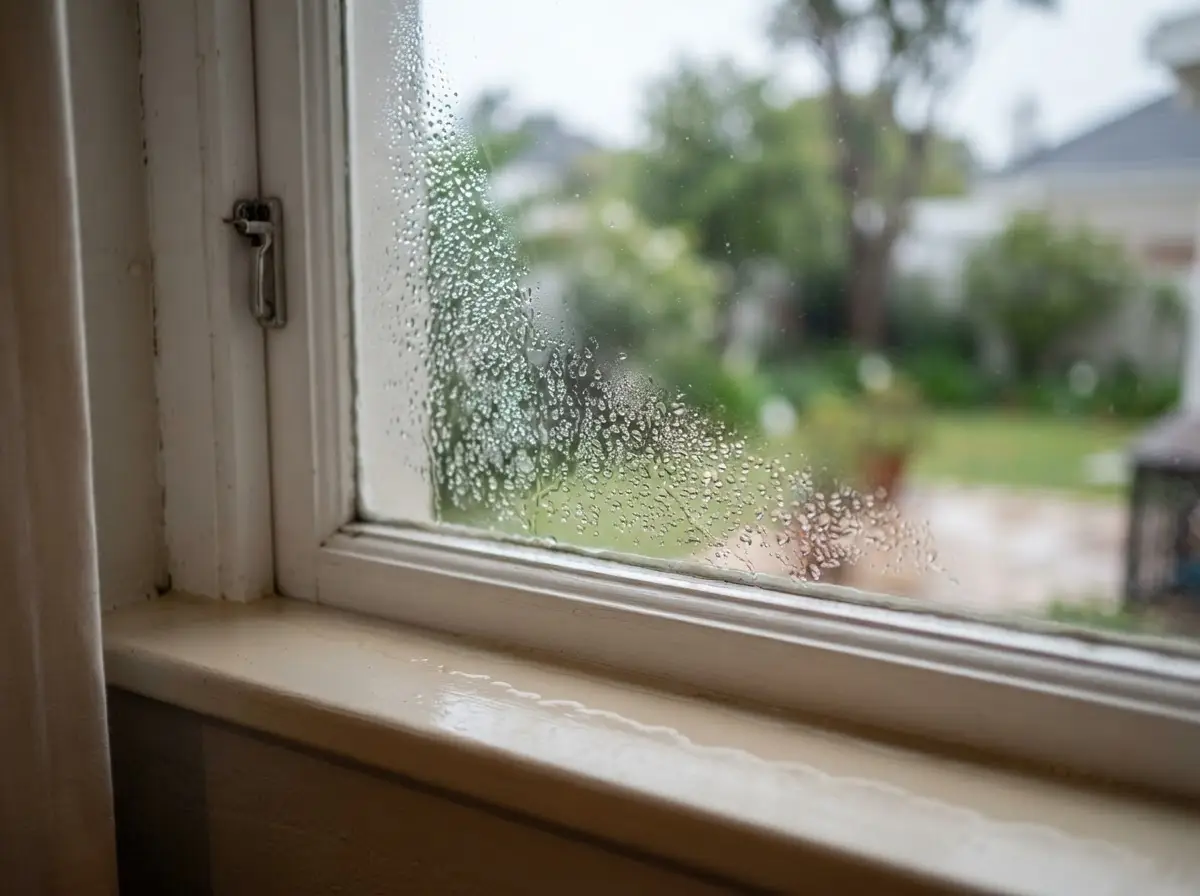
Condensation droplets on a window in a Johannesburg home

Musty or earthy smell

A persistent damp or cellar-like odour, often strongest in cupboards, bathrooms or closed rooms — even when no mold is visible.
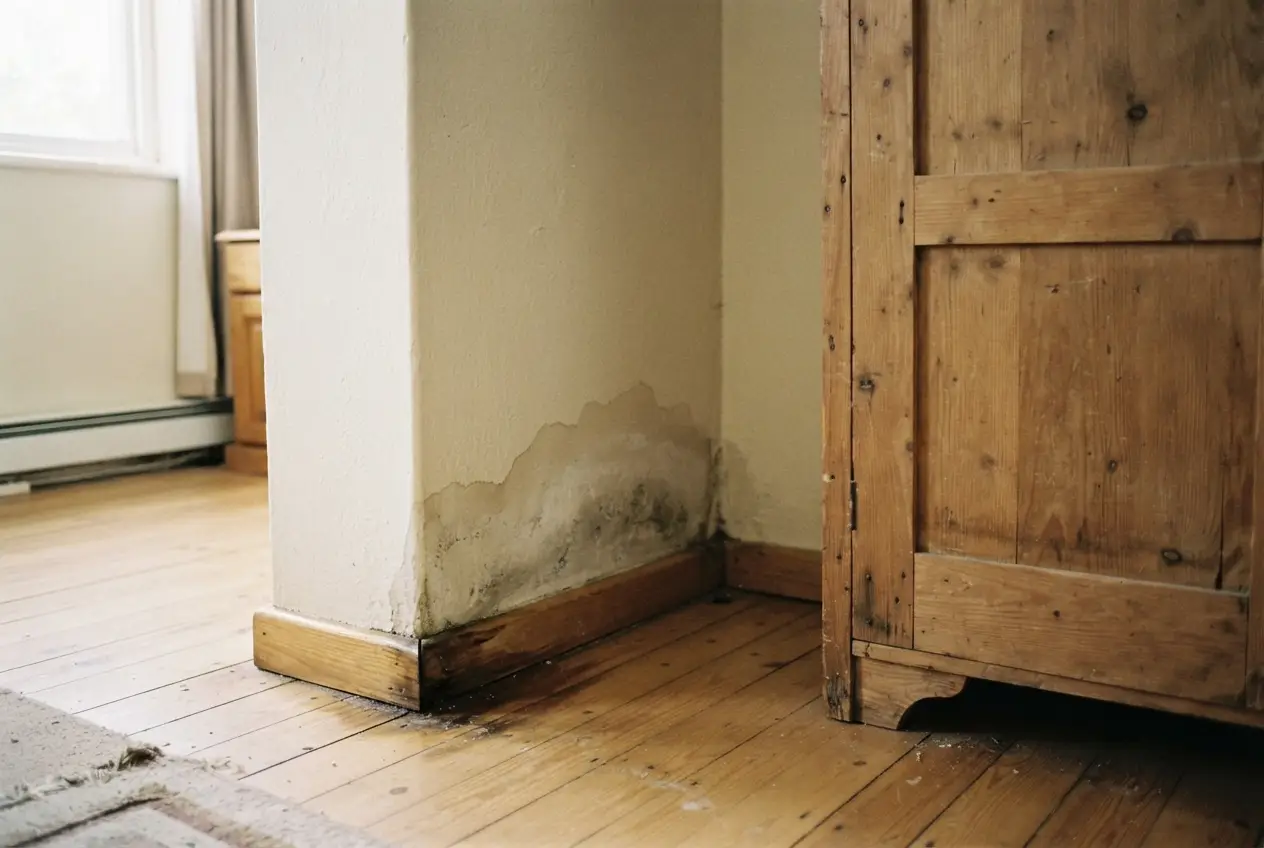
A damp corner behind a piece of furniture in a Johannesburg home

Mold keeps coming back

You clean it, it returns. The same corner, the same wall, the same bathroom. The visible problem is being addressed — the cause is not.
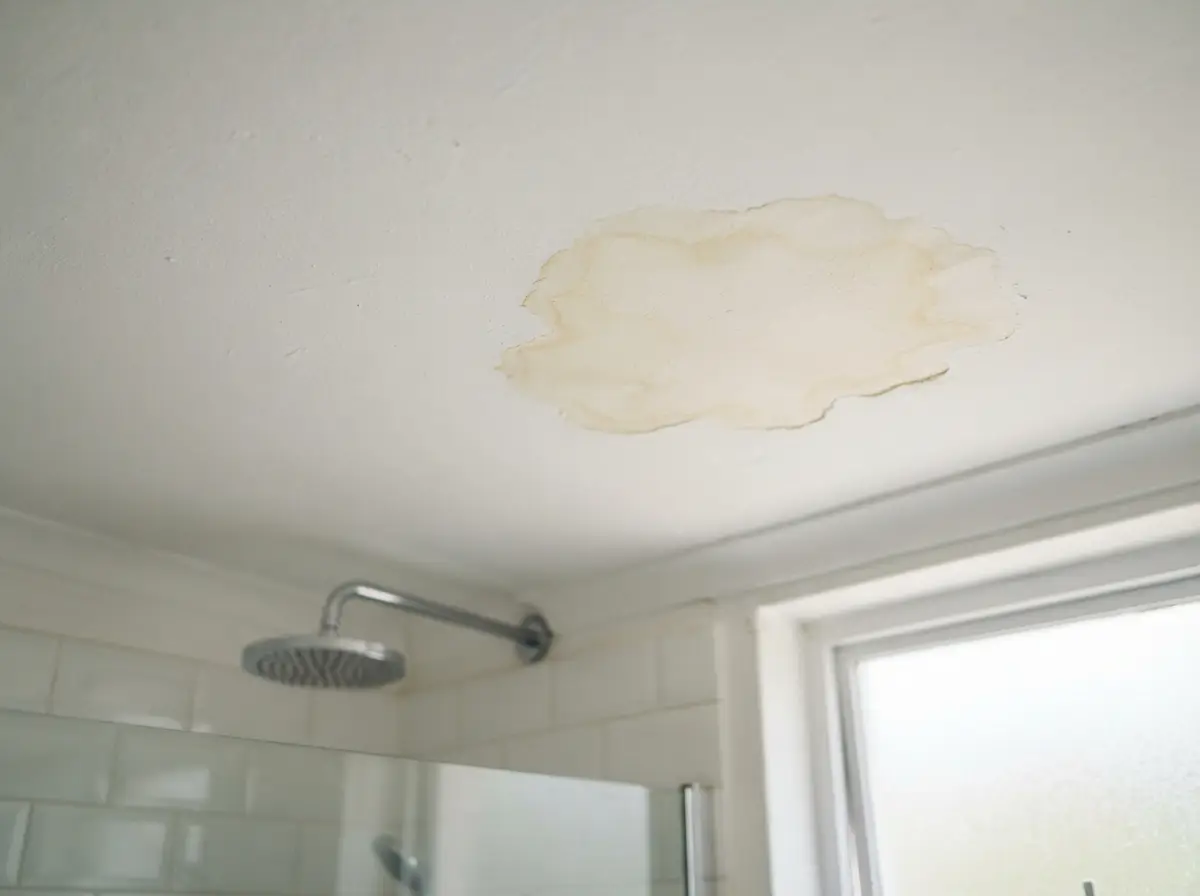
A soft yellow-brown water stain on a bathroom ceiling

Damp staining or discolouration

Yellow-brown ceiling stains, tide marks on walls, bubbling paint, dark patches that won't dry out, white efflorescence on masonry.
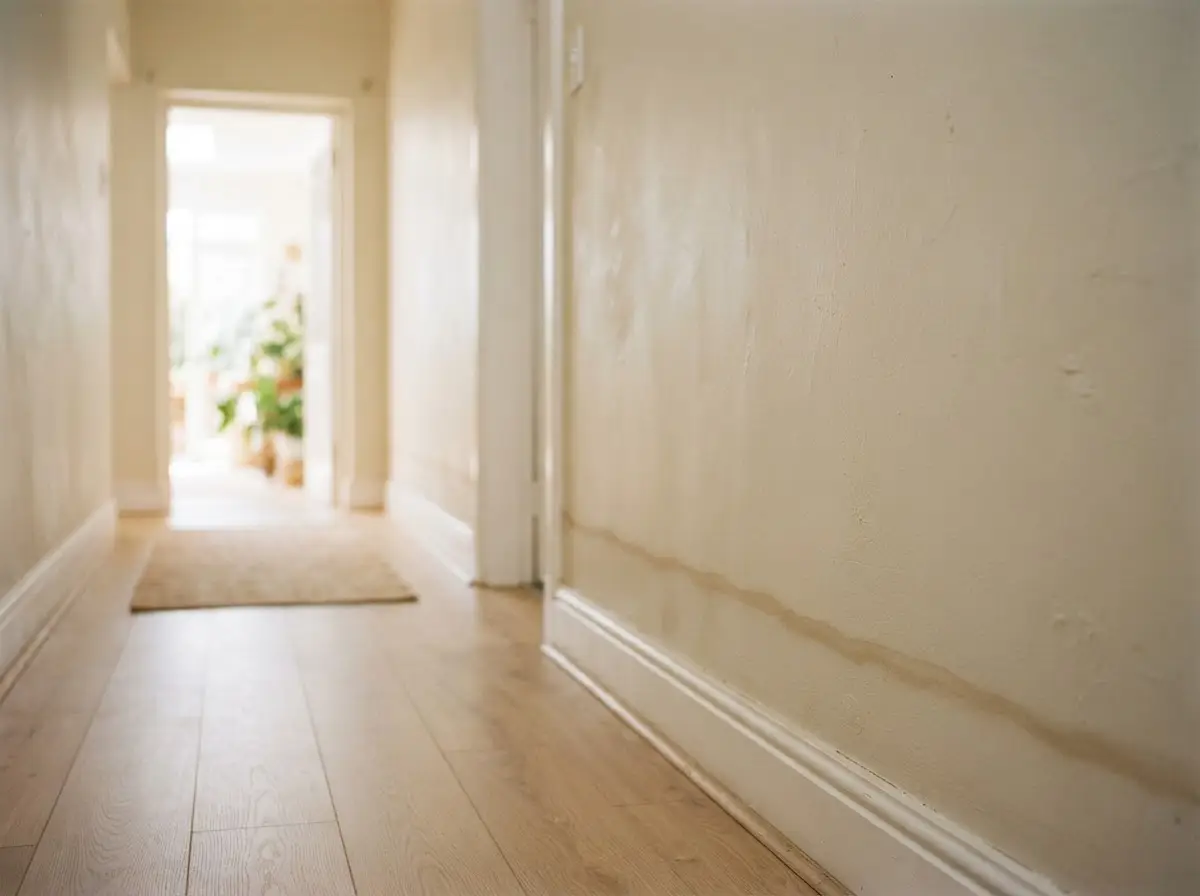
A damp tide-mark on a Johannesburg interior hallway wall

Previous leaks or water damage

A past burst pipe, roof leak, bathroom or balcony waterproofing failure — even if it was "fixed" months or years ago.
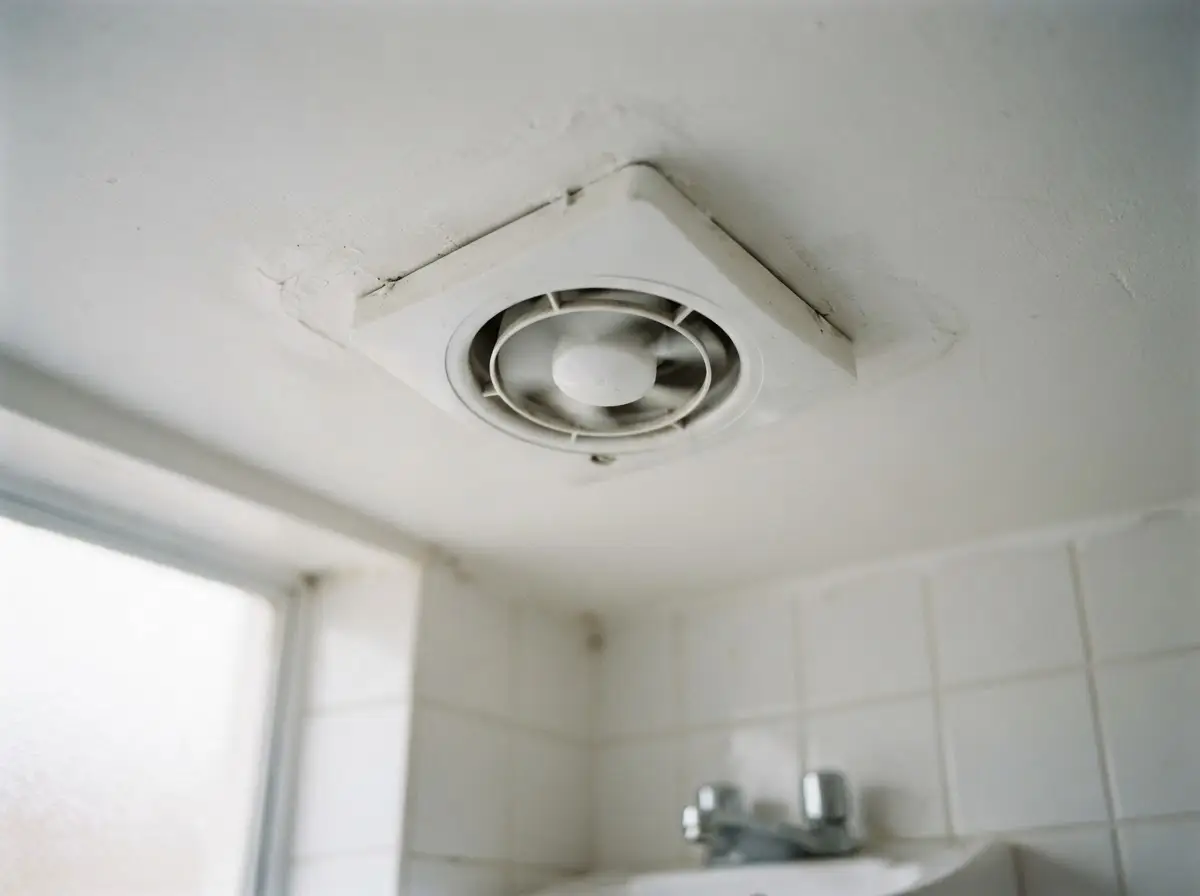
A white bathroom extractor fan in a Johannesburg ceiling

Indoor environment or health concerns

Persistent indoor-air concerns that a medical practitioner has suggested may be linked to the building environment.

If one or more of these sound familiar, the next question is usually the same: why is it happening, and what do we do about it?
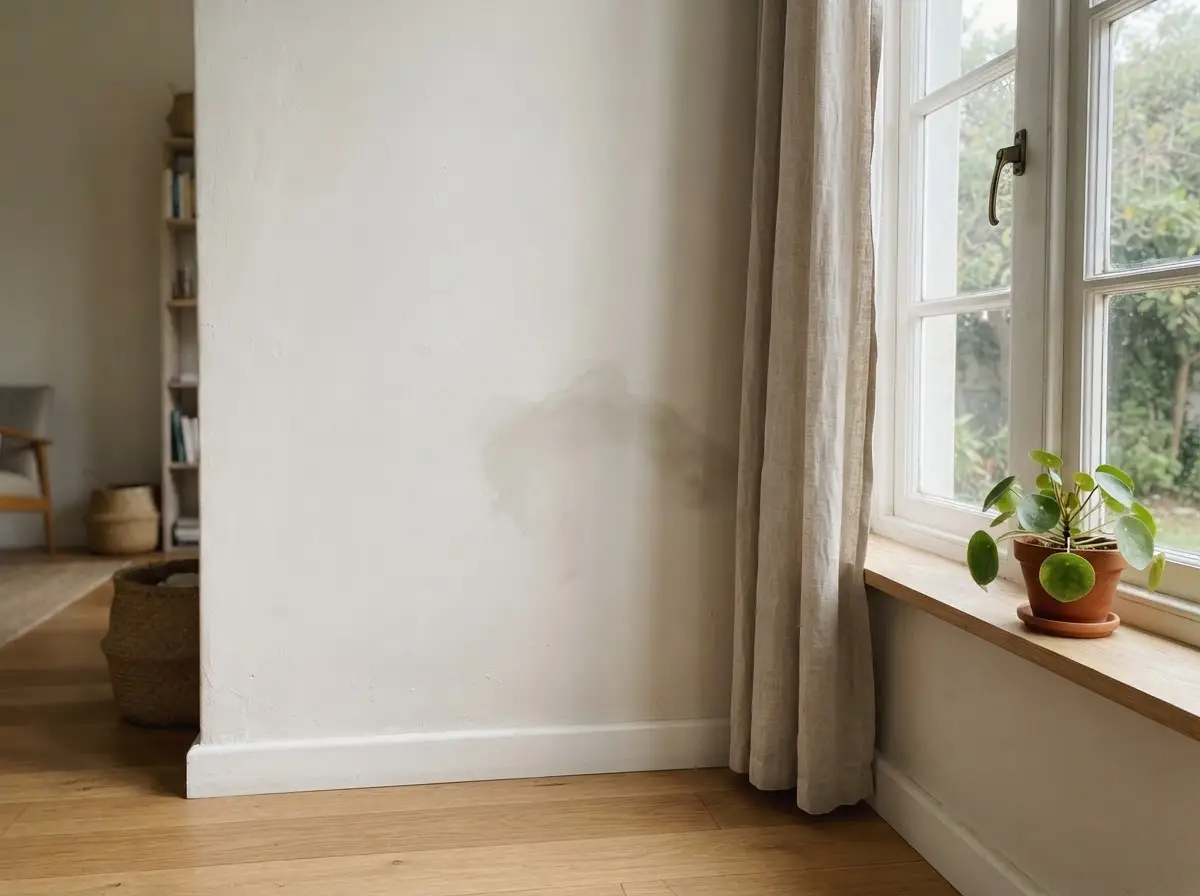
The recurring mold cycle

Why mold keeps coming back

The most common reason mold returns is not because cleaning failed. It is because the underlying moisture or building condition driving the growth was never identified and addressed.

A Mold Detection SA inspection is an investigation of the cause — not simply a visual opinion that the surface looks clean.

Documentary photograph of a faint moisture stain on a painted Johannesburg home wall
1

Visible mold appears

A dark patch on a wall, growth in a corner, a smell that won't go away. Something visible is now demanding attention.

2

Surface is cleaned

The visible mold is wiped, sprayed or treated. The area looks better. The smell may even fade for a while.

3

The underlying source remains

A concealed leak, rising damp, failed waterproofing, condensation pattern, ventilation problem, or building defect is still present — often unseen.

4

Mold returns

Because the conditions feeding it are unchanged, the growth comes back — sometimes in the same spot, sometimes nearby.

What the inspection covers

What a professional mold inspection actually investigates

A Mold Detection SA inspection is structured, evidence-based and written. Where appropriate, it includes calibrated air sampling — not passive settlement plates.

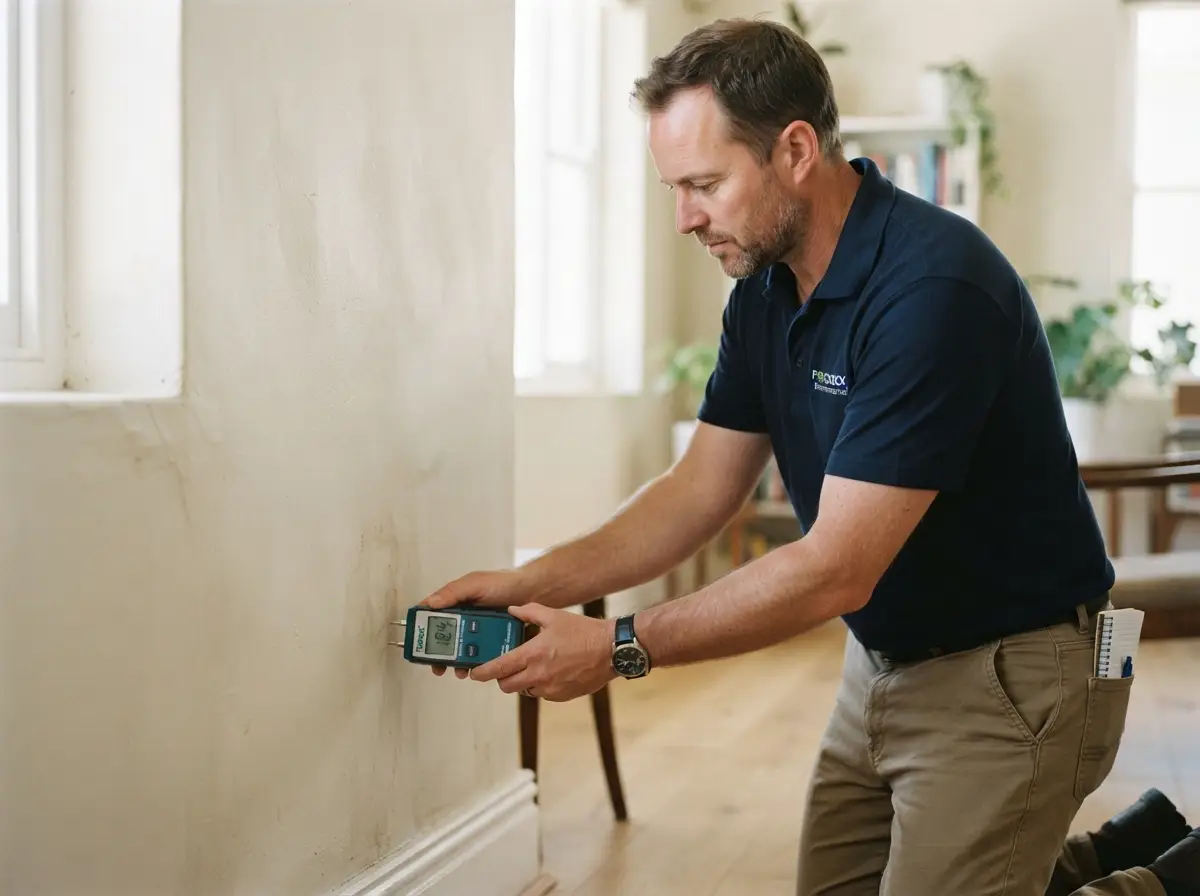
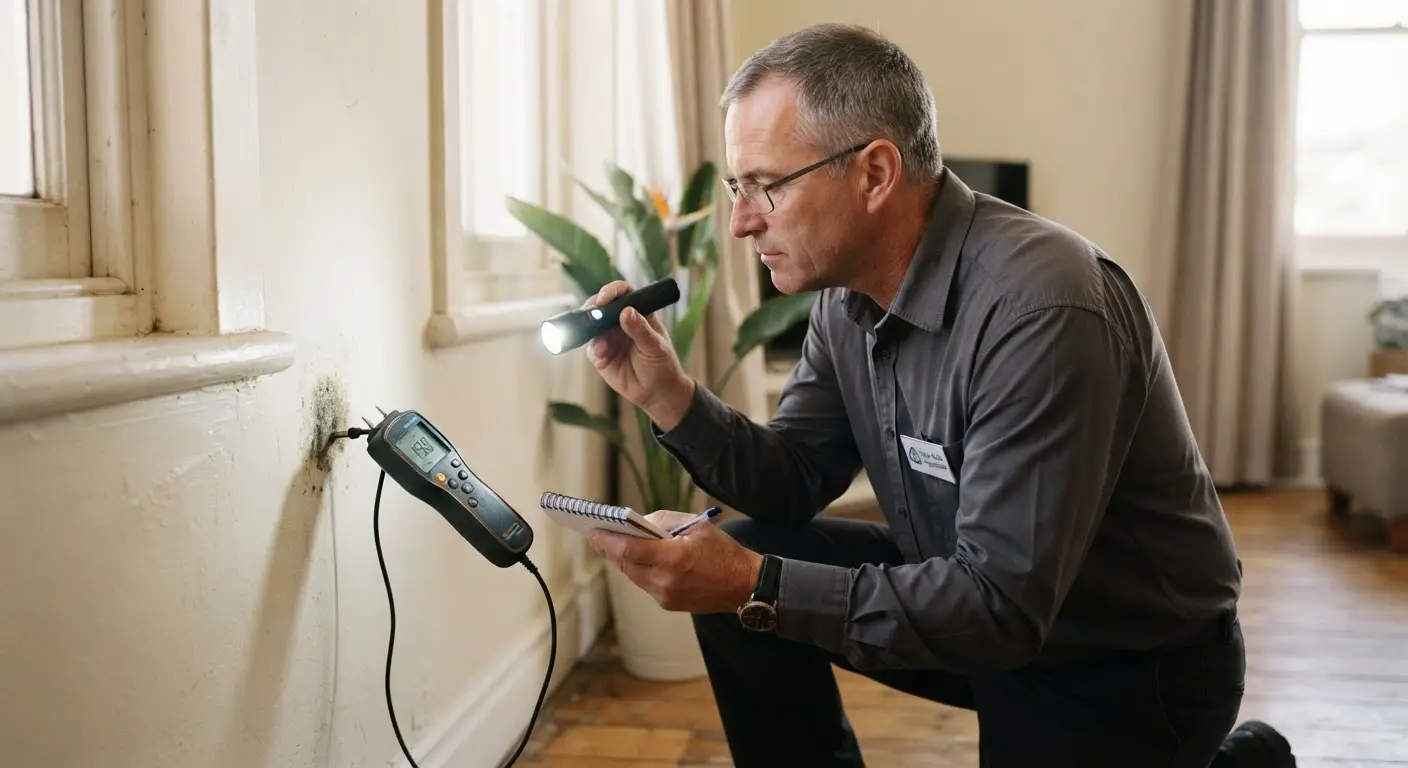
Professional mold inspector taking a calibrated moisture reading in a Johannesburg home

Visual inspection

A systematic visual assessment of the property — including areas of visible concern, adjacent rooms, and spaces where conditions commonly support hidden growth.

Moisture investigation

Calibrated moisture mapping of suspect surfaces and building elements, including the ability to detect elevated moisture behind finishes where conditions allow.

Humidity & indoor air quality

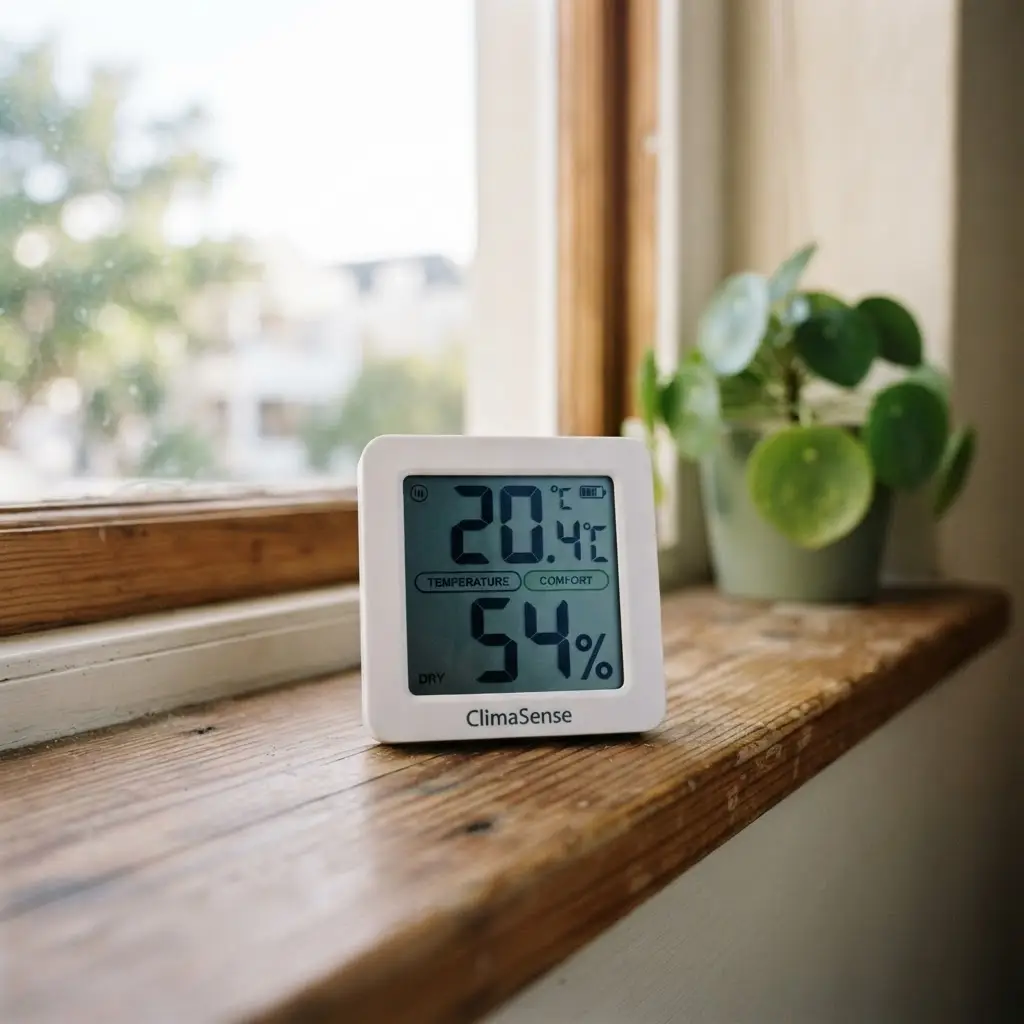
Indoor relative humidity, temperature and basic IAQ readings taken on site, with observations on ventilation and condensation behaviour.

Professional air sampling where appropriate

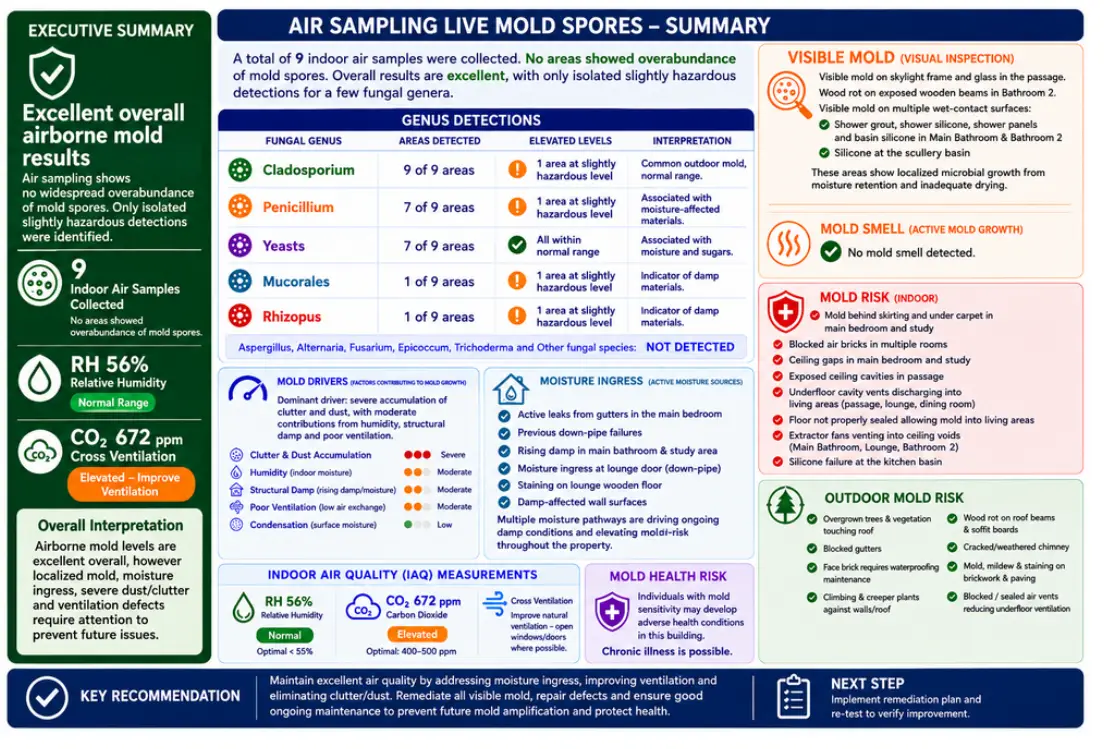
Calibrated air sampling using a known volume of air drawn across a collection medium — used where the situation genuinely requires it, not as a default.

Laboratory analysis where appropriate

Independent laboratory analysis of samples, including species identification and ERMI / HERTSMI advanced testing where the situation warrants it.

Written findings & recommendations

A written professional report recording observations, evidence, identified or likely contributing sources, and clear recommendations for what should happen next.

A key differentiator

Why professional air sampling matters

In South Africa, "air sampling" is sometimes offered using passive settlement plates left open in a room. That is not professional quantitative air sampling.

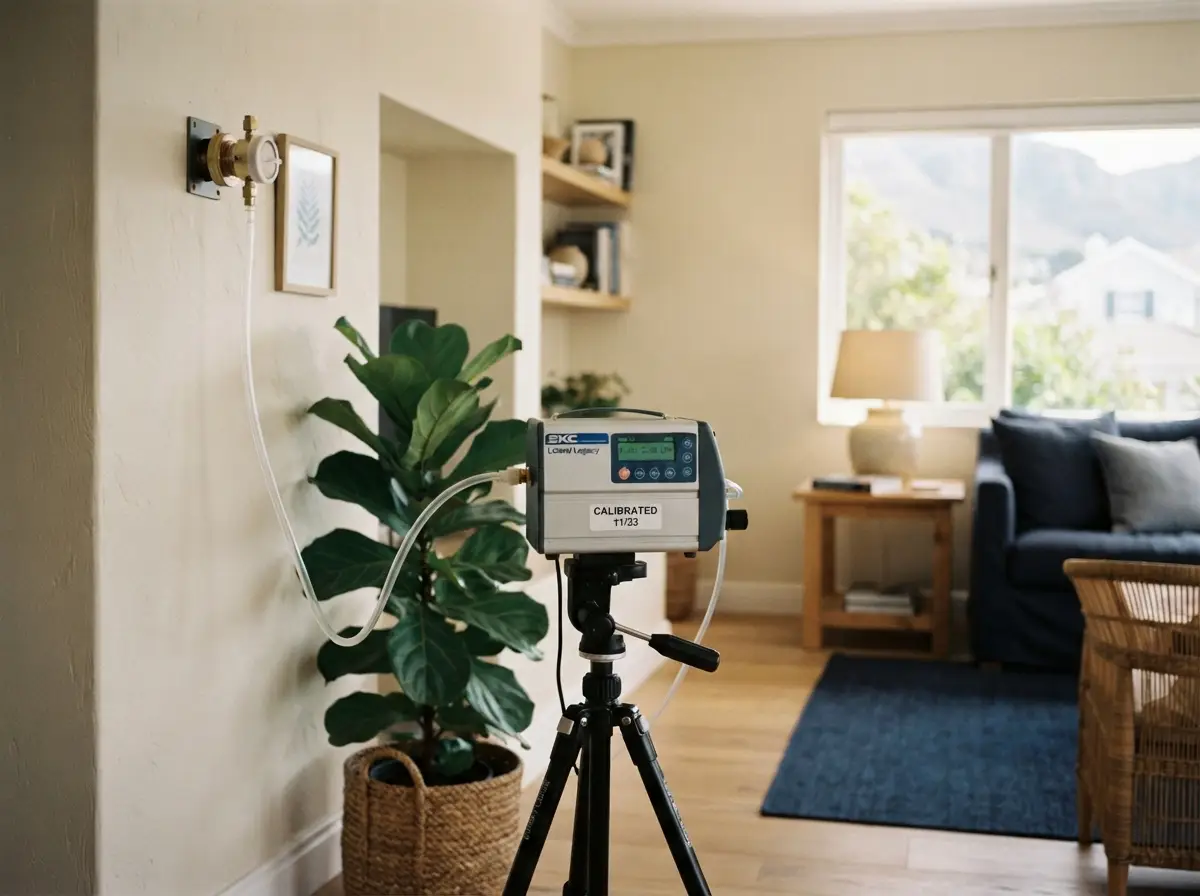
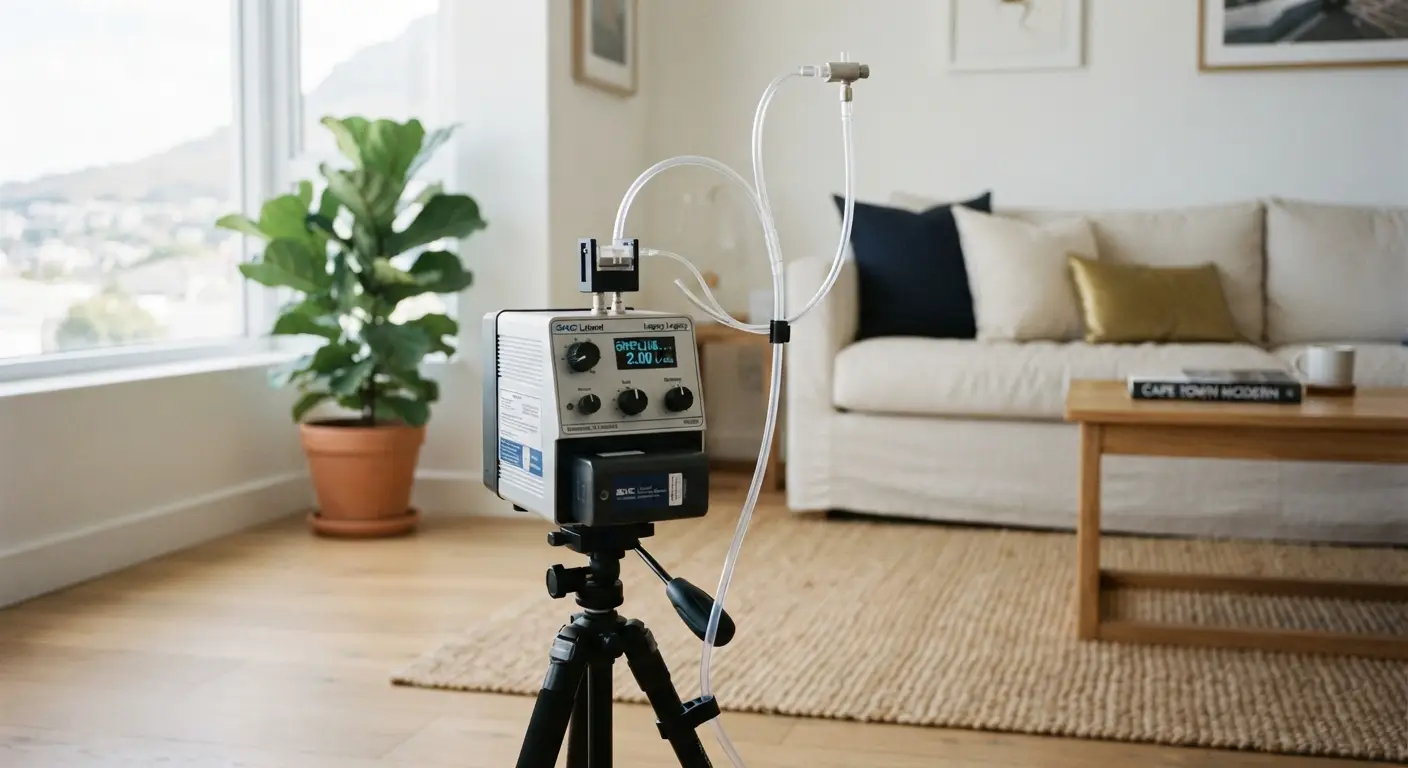
Calibrated volumetric air-sampling pump running in a Johannesburg home interior

What professional air sampling actually is

Professional air sampling uses calibrated equipment that draws a known volume of air across a defined collection medium under controlled conditions. The sample is then sent to an independent laboratory for analysis, with the result expressed in measurable units.

This is what allows sampling data to be interpreted — against baselines, between rooms, or against published reference ranges — rather than simply producing a yes/no on whether spores happen to land on a plate.

When air sampling is — and isn't — appropriate

Mold Detection SA uses professional air sampling only where the situation genuinely requires it. There are inspections where visual inspection, moisture mapping and clear environmental readings are sufficient to reach a defensible conclusion — and pushing for sampling in those cases would simply add cost without adding clarity.

Where sampling is appropriate, the reason and the method form part of the inspection report — not an upsell.

Mold Detection SA does not use passive settlement plates as professional air sampling.

A plate left in a room tells you very little about what is in the air you are actually breathing. Calibrated sampling does.

How an inspection unfolds

The Mold Detection SA inspection process

A structured five-step approach that moves from observation to evidence to clear recommendations.

01

Inspect

A systematic visual assessment of the property, the concerns raised, and the spaces most likely to be involved.

02

Investigate the source

Moisture mapping and investigation of the building conditions actually driving the problem — not just the visible spots.

03

Measure conditions

On-site readings of humidity, temperature and basic indoor-air quality, recorded against observations on ventilation and layout.

04

Sample where appropriate

Calibrated air sampling and/or surface sampling where the situation genuinely requires it, with independent laboratory analysis.

05

Report & recommendations

A written report with findings, evidence, identified sources and clear next steps — explained in language a non-specialist can act on.

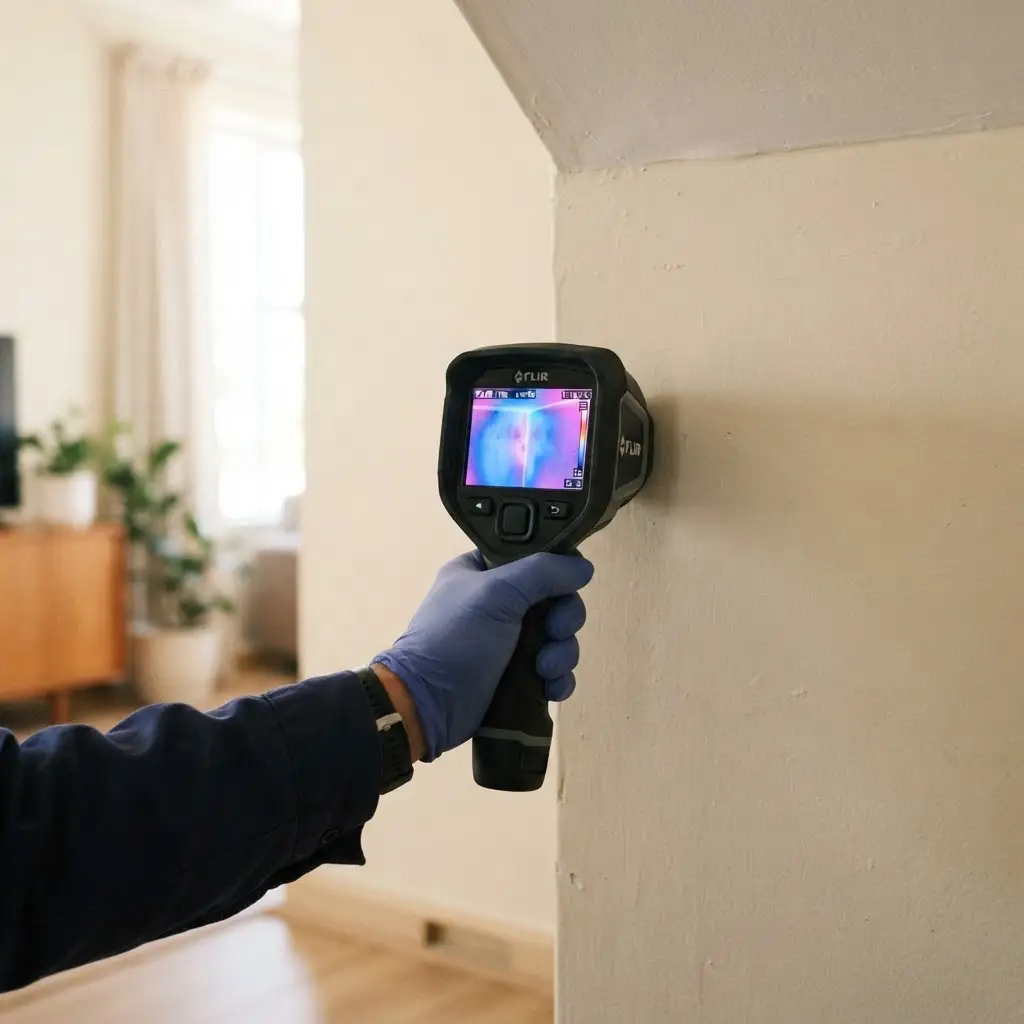
Inspector using a thermal imaging camera against a Johannesburg home wall
Digital hygrometer reading in a Johannesburg home interior
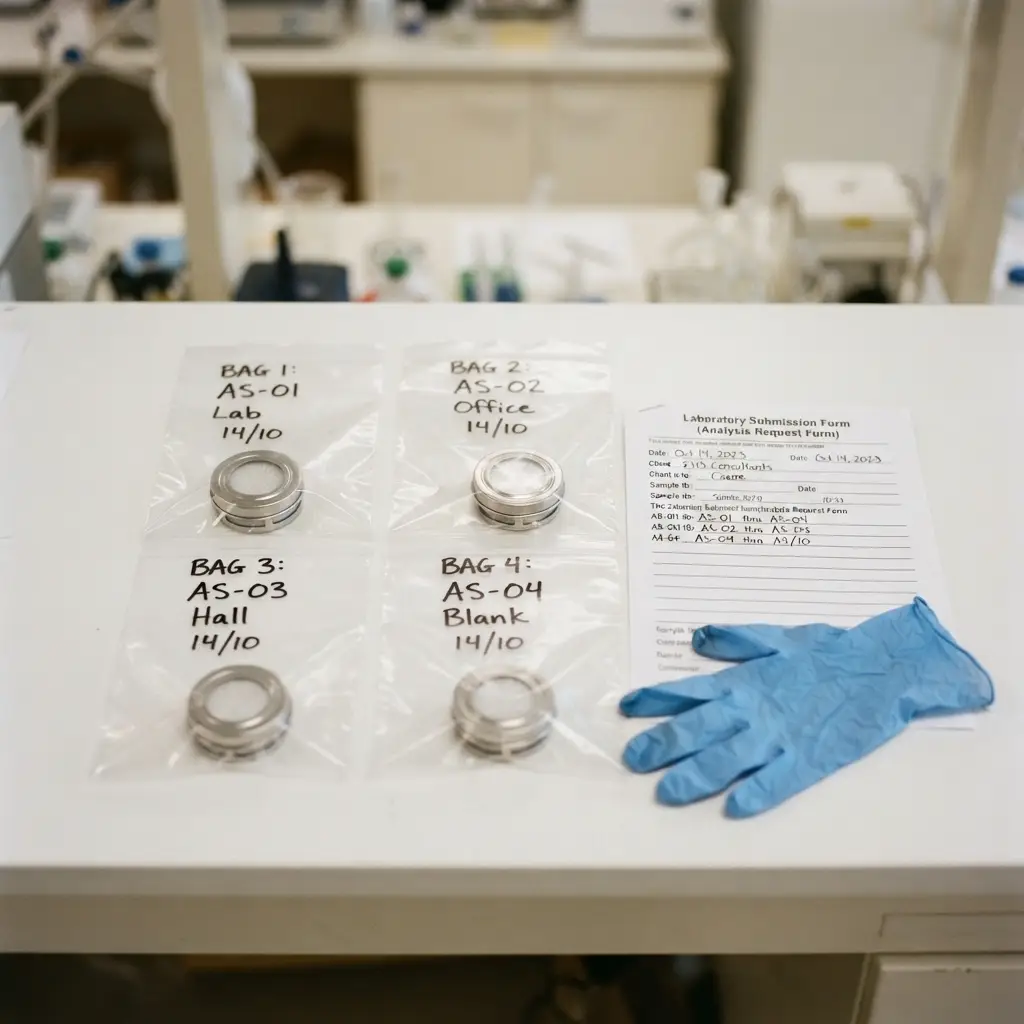
Calibrated air-sampling cassettes ready to be sent to the laboratory
Johannesburg mold investigation levels

Choose the type of inspection that matches your situation.

Each level is a defined scope of professional work — not a sales package. Not sure which one you need? That is part of what the enquiry call is for. All inspections include a written, defensible report.

Professional mold inspector conducting a visual and moisture assessment in a Johannesburg home
Starting point

On-site evaluation & moisture assessment

From R4,750 · confirmed after the enquiry call
  • Structured visual inspection of the affected and surrounding areas
  • Calibrated moisture investigation of building fabric
  • Source-of-moisture mapping with photographic record
  • Written findings & recommendations (no lab analysis)
  • Suits visible mold with a likely source, post-leak checks, pre-purchase assessments
Most requested
Calibrated volumetric air-sampling pump running in a Johannesburg home
Comprehensive

Comprehensive IAQ & mold investigation with air sampling

From R5,550 · confirmed after the enquiry call
  • Everything in the on-site evaluation
  • Calibrated volumetric air sampling (indoor and outdoor control)
  • Indoor environment measurements (humidity, CO₂, particulates, VOCs)
  • Independent laboratory analysis of air samples
  • Full written report with findings and recommendations
  • Suits unexplained symptoms, health-driven concerns, post-remediation verification, body corporate or insurance context
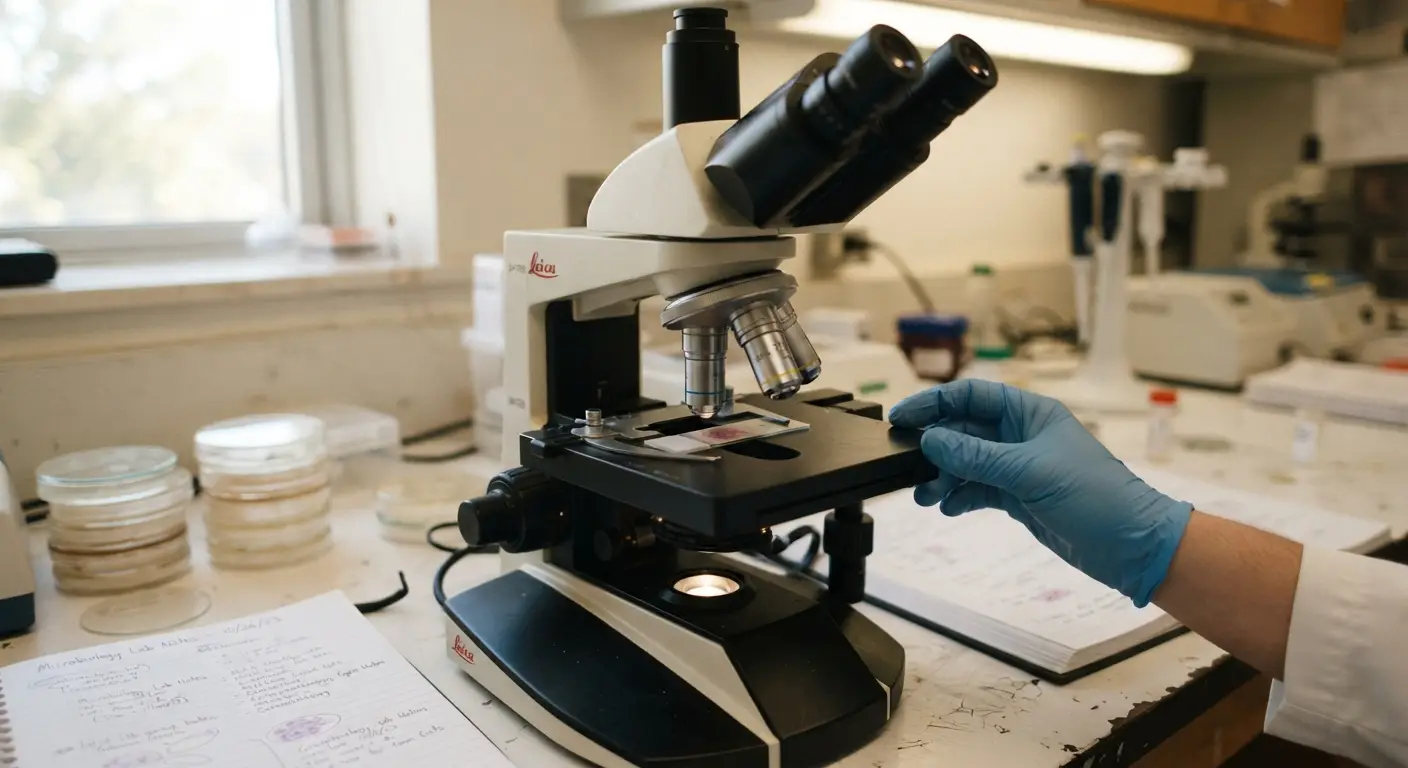
Laboratory microscope examining a sample slide
Genus identification

IAQ investigation with genus identification

From R7,750 · confirmed after the enquiry call
  • Everything in the comprehensive assessment
  • Laboratory identification of dominant mold genera present
  • Interpretive commentary on what the genera indicate
  • Full written report with laboratory findings attached
  • Suits medical or building-context cases that need more than a yes/no presence result
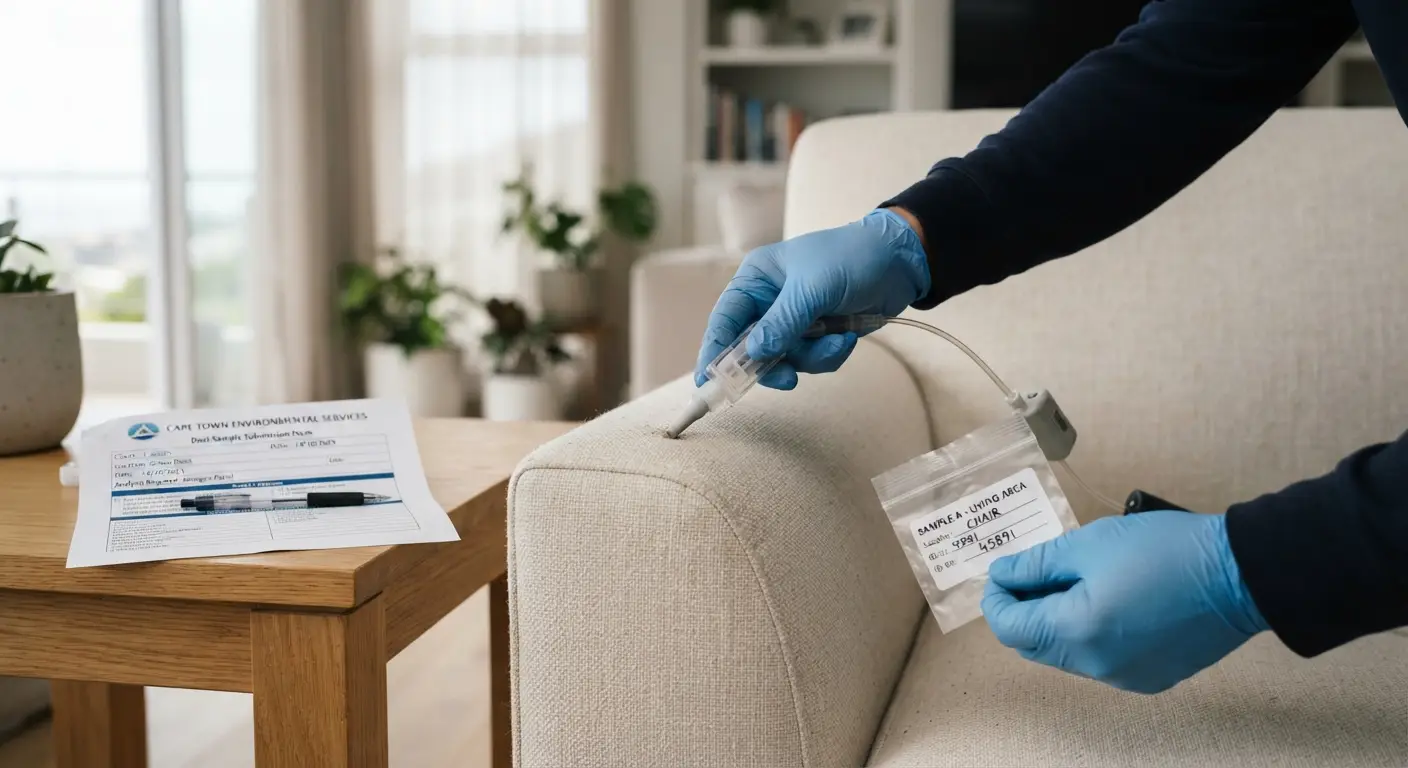
Dust sample collection for DNA-based mold testing in a Johannesburg home
Advanced DNA testing

ERMI / HERTSMI-2 / MycoTOX advanced testing

Confirmed after the enquiry call
  • DNA-based settled-dust analysis (MSQPCR, 36 mold species)
  • Extended calibrated air sampling and full environment assessment
  • ERMI / HERTSMI-2 scoring with habitability context
  • Detailed written report with remediation roadmap
  • Suits complex, long-standing or medically sensitive cases

Not sure which level fits your situation? A short call or WhatsApp is enough to point us at the right starting point — the appropriate level is determined by the nature of the problem, not by what is most involved.

Not sure which level fits your situation?

Answer 4 short questions. We will suggest the right starting point.

A short decision aid. No email, no questionnaire to fill in afterwards — just guidance, then the choice is yours.

Inspection day

What to expect on inspection day

Most Johannesburg inspections are non-invasive, quiet and discreet. There is no drilling, no demolition and no chemical treatment during the inspection itself.

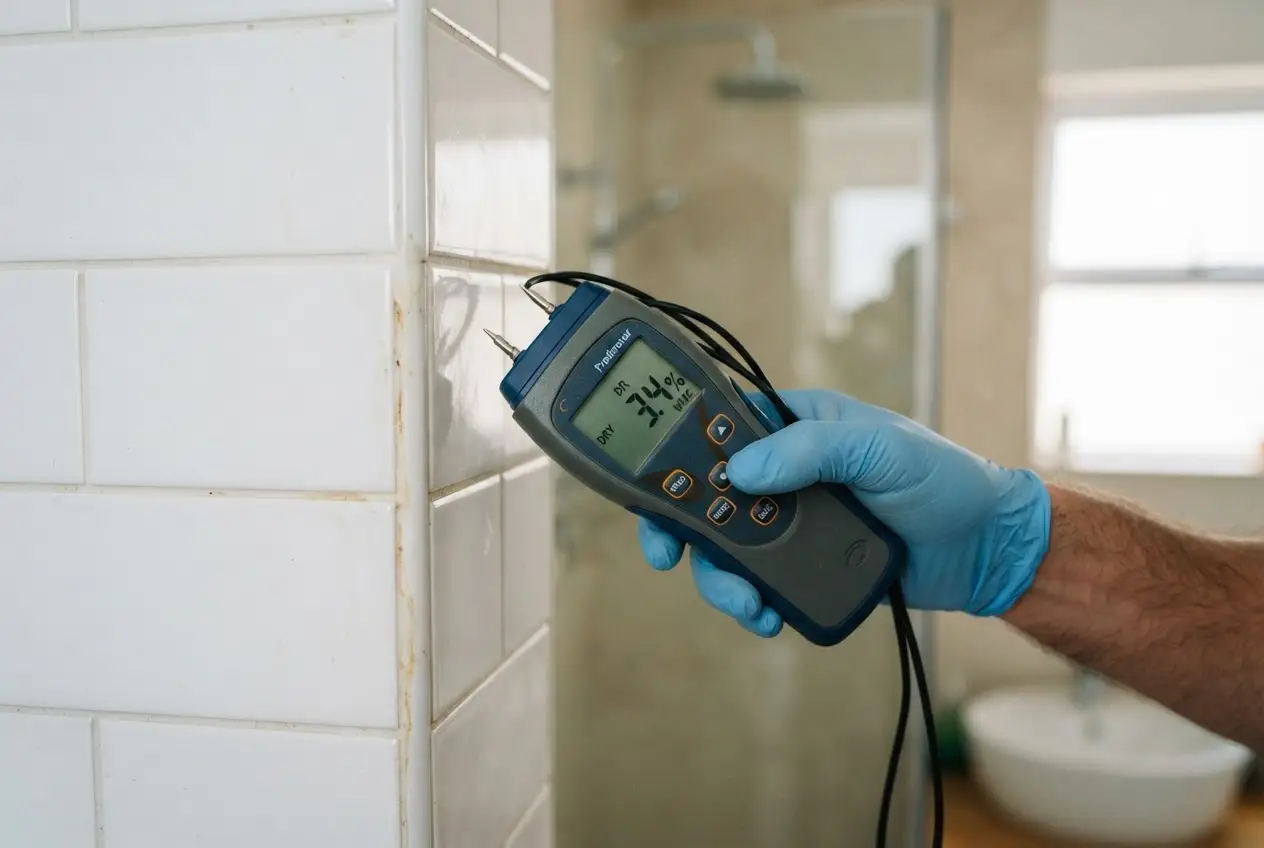
Inspector using a calibrated moisture meter on a tiled bathroom wall during a Johannesburg inspection

What the inspector does

Walks the property with you, listens to what you have observed, inspects the affected and surrounding areas, takes calibrated moisture and environmental readings, and notes everything that may be relevant.

Equipment brought on site

Diagnostic instruments including calibrated moisture meters, hygrometers and, where appropriate, calibrated air-sampling equipment. The tools and method are explained on the day — not hidden.

Is mold disturbed? Are chemicals used?

Mold is not actively disturbed during a professional inspection and no chemicals are applied. The inspection gathers information; any remediation happens separately, and only if the report indicates it is required.

What you need to do

Be on site to provide access and brief the inspector. There is no special preparation. If air sampling is recommended, you will be told what that involves and when samples will be collected.

If sampling is recommended

Sampling is either done during the inspection or scheduled separately, depending on the method. Samples are sent to an independent laboratory; results are interpreted and incorporated into the written report. You are not asked to take samples yourself.

Your written deliverable

What you receive — your mold inspection report

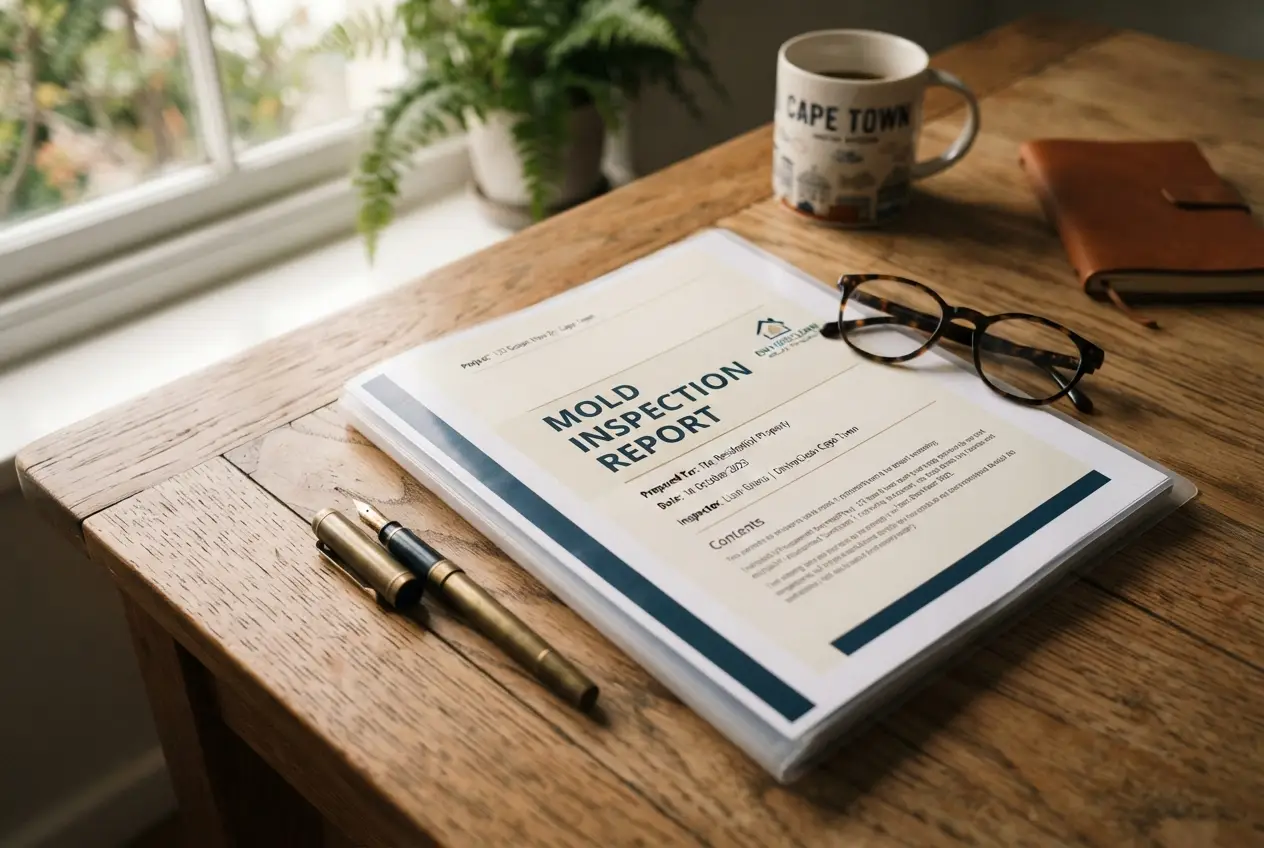
The Mold Detection SA inspection report is a tangible professional product. It is written so a non-specialist can understand it, while containing the technical detail required by contractors, body corporates or medical practitioners where appropriate.

Sharing the report: The report can be shared with contractors, body corporates or medical practitioners where appropriate. We do not guarantee acceptance by insurers, attorneys or doctors.

A professional mold inspection report on a wooden desk in a Johannesburg home
1
Site observations
Documented visual findings across the property and the areas of concern.
2
Moisture findings
Calibrated moisture readings and interpretation, including locations of elevated readings where relevant.
3
Indoor environmental readings
Humidity, temperature and basic IAQ data, with observations on ventilation and condensation.
4
Sampling & laboratory results
Independent laboratory analysis where samples were taken, including species identification or ERMI / HERTSMI results where applicable.
5
Identified or likely contributing sources
The building or environmental conditions identified — or most likely — as the source driving the problem.
6
Photographs where relevant
Site photographs referenced in the report to support the written findings.
7
Interpretation & recommendations
Plain-language interpretation of what the evidence means, and what is recommended in response.
8
Remediation requirements / protocol where required
If remediation is indicated, the report sets out the scope and protocol required to address the problem properly.
9
Appropriate next steps
A clear set of next steps — what should happen, in what order, and by whom.
After the report

What happens after your inspection & report

The report is not the end of the journey. It is intended to tell you — clearly — what should happen next. The path depends on what the inspection finds.

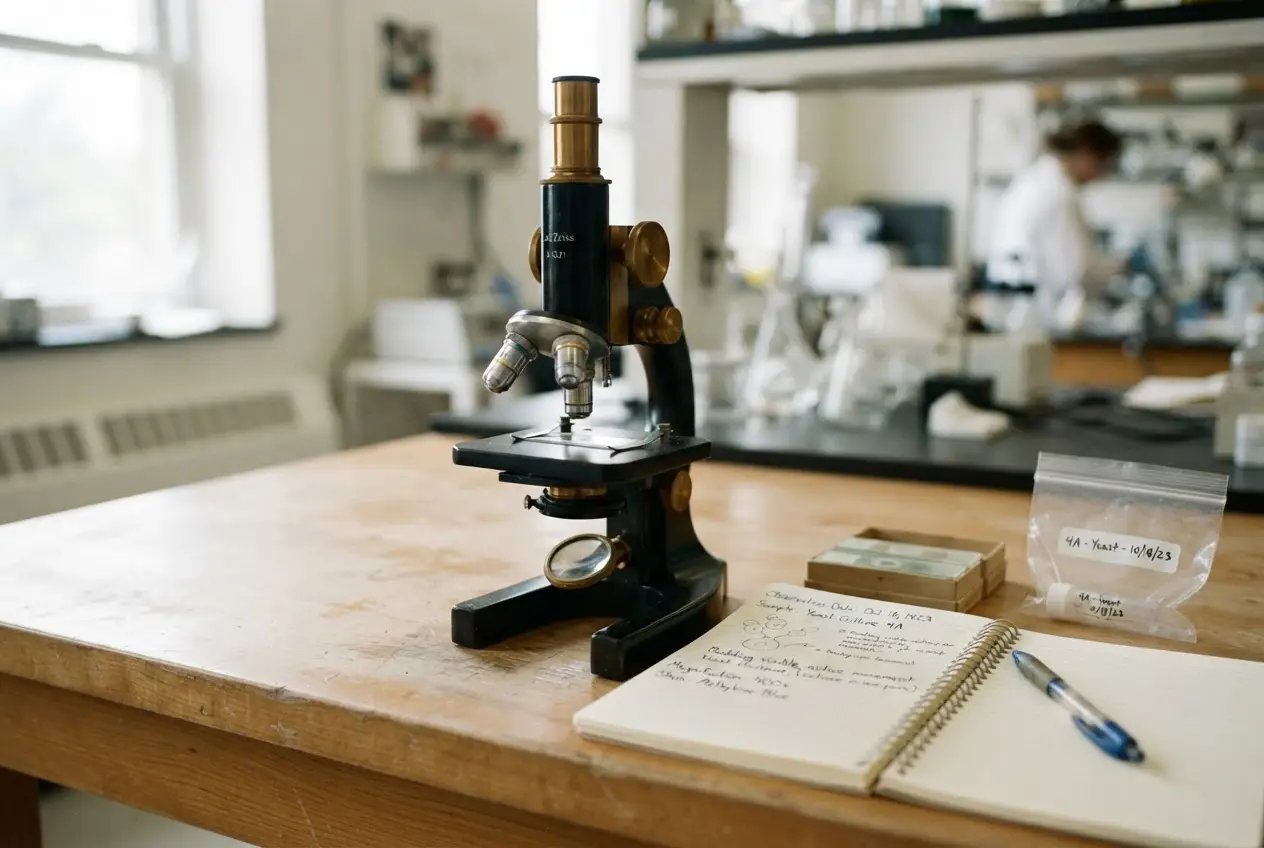
A microscope and lab notebook on a clean laboratory bench
Outcome A

No significant problem found

Where the inspection does not identify a meaningful problem, the report sets out practical recommendations and, where useful, a light monitoring approach.

Outcome B

Moisture or building defect identified

Where the source is a moisture or building condition, the report indicates the appropriate repair path so the underlying cause is addressed before any further work.

Outcome C

Remediation required

Where contamination requires professional removal, the report sets out the scope and protocol — and Mold Terminators (our specialist remediation brand) is available to carry out the work to the specification.

Outcome D

Additional testing needed

Where the situation requires it, further laboratory or advanced testing (including ERMI / HERTSMI) is recommended, with clear reasoning for why it is needed.

Outcome E

Post-remediation verification

Where appropriate, a return inspection and post-remediation sampling can be carried out to confirm the problem has been properly resolved before the space is returned to use.

Why Mold Detection SA

A specialist inspection practice, not a handyman service

Mold Detection SA is built around a single discipline: investigating mold and moisture problems in buildings with evidence, professional methodology and clear written reporting.

Aerial view of the Johannesburg skyline featuring the Hillbrow Tower
2010
Professional investigation since 2010
Mold contamination has been investigated professionally since 2010, with a continuous focus on why mold occurs in buildings.
2014
PMII-qualified since 2014
Qualified as a professional Mold Inspector and Mold Remediator through the Professional Mold Inspection Institute (PMII), USA.
2014
Mold Detection SA since 2014
Mold Detection SA has operated as a specialist inspection practice since 2014, with the Gauteng inspection service covering Johannesburg and the wider South African market.
University of Stellenbosch research
Involved with the University of Stellenbosch in domestic mold-contamination research since 2014.
Long-standing medical-referral network
Mold Detection SA has a long-established network of medical practitioners who refer clients with suspected mold or indoor-environmental concerns, and is involved with the integrative-medicine community in South Africa.
Calibrated methodology & clear written reporting
Calibrated professional air-sampling equipment where air sampling is appropriate, independent laboratory analysis where required, and a written report you can read, share and act on.
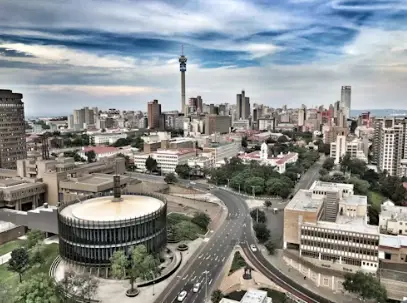
Johannesburg city skyline at dusk with the Highveld horizon
Local presence

Johannesburg & the greater Joburg metro

Mold Diagnostics inspections across Johannesburg are carried out from our Roodekrans base, by inspectors who work the Highveld every week. Enquiries are received centrally and routed to the local Johannesburg inspection service.

Speak to Mold Diagnostics about a Johannesburg inspection
A short call is usually enough to confirm whether an inspection is appropriate. Based at 16 Platkroon, Roodekrans, Roodepoort — your enquiry is reviewed and routed to the local Johannesburg inspection service.
079 973 3311
Johannesburg areas regularly serviced include:
Roodekrans & Roodepoort
Krugersdorp & Muldersdrift
Sandton & Rosebank
Randburg & Ferndale
Bryanston & Fourways
Midrand
Parkview, Linden & Blairgowrie
Bedfordview & Edenvale
Boksburg, Benoni & Springs
Kempton Park & Alberton
Greymont, Northcliff & Westcliff
Morningside, Rivonia & Hyde Park
Melville, Emmarentia & Greenside
Norwood, Houghton & Parktown
West Rand surrounds

If your Johannesburg suburb is not listed, please contact us — greater Johannesburg and West Rand locations are serviced where scheduling allows.

Reviews & proof

What clients value about the inspection

Mold Detection SA is built on evidence, not endorsements. The proof on this page is verified client reviews from the public Google Business profile, plus a long-standing professional referral network.

Verified Google reviews

From the public Google Business profile

5.0 / 5.0
Lisa P.

The inspector was absolutely incredible — experienced, knowledgeable, and clearly focused on the building, not on selling something we did not need. The testing was thorough and the written report afterwards gave us proper clarity on what was happening in the home. We would recommend the inspection to anyone serious about getting proper answers.

5.0 / 5.0
Lené van der Linde

We had a good experience with Mold Detection SA. The process was seamless with good communication from the inspector, thorough testing as well as in-depth reporting afterwards to guide us with the necessary steps to follow to improve our home environment. Thank you also for being available telephonically for any questions.

Speak to a previous client: If you would like to talk to a real client about their inspection experience before you book, this can sometimes be arranged on request.

View all reviews on Google
Verified professional referrals

A long-standing medical-referral network

Mold Detection SA has a long-established network of medical practitioners who refer patients and clients with suspected mold or indoor-environmental concerns, and is involved with the integrative-medicine community in South Africa.

Medical practitioners who have referred clients include:

  • Dr. Anina van der Bijl
  • Dr. Daphne Lyle
  • Dr. Erik Drewes
  • Dr. Erika Viljoen
  • Dr. Frieda Badenhorst
  • Dr. Hester Visagie
  • Dr. Janine Dobson
  • Dr. Santa Lewis
  • Dr. Am Haffejie
  • Dr. Michelle Weyers
  • Dr. Ford Gillian
  • Dr. Janine Martins

…and many more across Johannesburg, Gauteng and South Africa.

Medical referrals do not imply formal medical endorsement or guaranteed health outcomes. A mold inspection is a building and environmental assessment — not a medical diagnosis, treatment, or guarantee of any health result. Patients with symptoms should consult their practitioner.

Common questions

Frequently asked questions

What does a mold inspection actually involve?
A Mold Detection SA inspection is a structured on-site investigation. It includes a visual assessment, calibrated moisture investigation, indoor environmental readings, and — where appropriate — calibrated air sampling with laboratory analysis. You receive a written report at the end.
Do I automatically need air sampling?
No. Sampling is only used where the situation genuinely requires it. Many inspections reach a clear, defensible conclusion from visual and moisture work alone. Where sampling is recommended, the reason will be explained to you before it is done.
Can you investigate hidden mold?
Yes — within the limits of non-invasive inspection. Calibrated moisture meters can detect elevated moisture behind finishes where conditions allow, and patterns of damage, staining, humidity and building behaviour often indicate concealed problems. The full picture of what is happening behind a wall, however, can only be confirmed by opening it up — which is a remediation step, not an inspection step.
What do I receive after the inspection?
A written inspection report containing observations, moisture findings, indoor environmental readings, sampling and laboratory results where applicable, identified or likely sources, photographs, interpretation, recommendations, and — where required — a remediation scope or protocol. The report can be shared with contractors, body corporates or medical practitioners where appropriate.
Is inspection different from remediation?
Yes. Inspection is the diagnostic step — establishing what is happening, what is driving it and what should be done. Remediation is the physical work of removing contamination and fixing the source. Mold Detection SA performs the inspection; Mold Terminators (our specialist remediation brand) performs the remediation work to the specification set out in the report.
When are ERMI / HERTSMI tests appropriate?
ERMI and HERTSMI are advanced DNA-based tests used in specific circumstances — typically long-standing or complex situations, medically-supported cases, or where a quantitative species-level profile is required to inform a decision. They are not appropriate as a default for every inspection and are only recommended where the situation genuinely calls for them.
What happens after I receive the report?
The report sets out what should happen next in your specific situation. This may be no further action, a repair to address a moisture or building source, professional remediation (Mold Terminators), additional testing, or a post-remediation return inspection. The report is intended to be actionable — not just informational.
What happens next

What happens after you submit your enquiry

The path from your enquiry to an inspection on site is straightforward and human. There is no automated sales sequence — every enquiry is read, responded to, and routed to the Johannesburg inspection service.

01

Enquiry received

Your enquiry form is received, reviewed and routed to the Johannesburg inspection service.

02

Situation discussed & clarified

A short call or message exchange to understand what you are seeing, smelling or concerned about.

03

Appropriate level recommended

Based on the situation, the right level of investigation is recommended — without pressure toward more than is required.

04

Inspection arranged

A Johannesburg inspection is scheduled at a time that works for you, with clear confirmation of what to expect on the day.

Request a Johannesburg inspection

Tell us what you are seeing

A short enquiry is the right place to start. Share a few details and your enquiry is reviewed and routed to the Johannesburg inspection service, which will be in touch to discuss your situation and recommend the right level of investigation.

Your details are used only to respond to your enquiry. They are not added to marketing lists.

Call WhatsApp Book